The Genesis of an Icon: West Coast Choppers
When I think about the custom motorcycle scene, especially from the late '90s and early 2000s, West Coast Choppers instantly springs to mind. It wasn't just another bike builder; it was an icon, a cultural phenomenon really, founded by the unmistakably charismatic Jesse James in the early 1990s. His vision, I think, completely reshaped perceptions of what a custom motorcycle could be, pushing boundaries with a raw, almost unapologetic style that resonated deeply with a generation looking for authenticity.
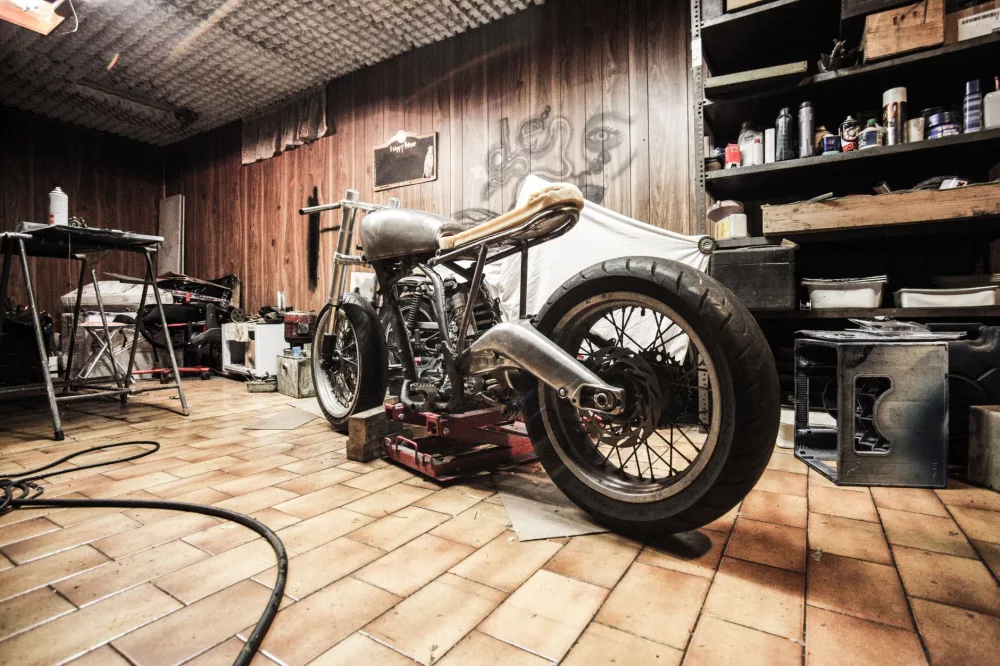
Jesse James started this whole endeavor right out of his garage in Long Beach, California. He wasn't some corporate figure with a business plan; he was a guy with grease under his fingernails and an innate understanding of mechanics and aesthetics. He began by customizing Harley-Davidson motorcycles, but his ambition quickly outgrew simple modifications. He wanted to build bikes from the ground up, infusing them with a distinct, often aggressive, West Coast attitude. What we saw emerge from his shop was something genuinely different: bikes that were long, low, and often stripped down to their mechanical essentials, rejecting the flashier, more embellished styles popular at the time.
Defining the Aesthetic: The WCC Look
The West Coast Choppers aesthetic was undeniably influential. It brought a certain industrial elegance to choppers, eschewing excessive chrome for often raw metal finishes, satin blacks, and carefully chosen pops of color. The bikes weren't just fast; they looked menacing, like they meant business. I always admired how he managed to combine classic chopper lines with a modern, almost minimalist sensibility. You'd see things like:
- Distinctive Frames: Often rigid frames with exaggerated rakes and stretched out designs.
- Powerful Engines: Usually large displacement V-twin engines, often S&S or highly modified Harley-Davidson powerplants.
- Minimalist Bodywork: Small fuel tanks, often very low-profile fenders, and not much else. It was about exposing the machine.
- Unique Exhausts: Often custom-fabricated, flowing exhaust systems that were as much a sculptural element as a functional one.
That attention to detail, even in the smallest components, was something I believe truly set WCC apart. Every weld, every piece of tubing, it all contributed to a cohesive and powerful statement. These weren't just vehicles; they were rolling pieces of art, often intimidating but always mesmerizing to look at.
From Garage to Global Phenomenon: The Rise of Jesse James
Jesse James didn't just build bikes; he built a brand, and he did it largely through sheer force of personality and the power of television. I remember tuning into shows like